



The 2026 Federal Tax Credit Eligibility for Plug-In Hybrid Vehicles
A Comprehensive Overview of Eligible Models and Recent Regulatory Updates
By Jack FitzgeraldUpdated: Mar 1, 2025
As the global automotive industry navigates a complex transition toward electrification, plug-in hybrid electric vehicles (PHEVs) are increasingly positioned as a compelling transitional option for consumers seeking a balance between traditional internal combustion engine (ICE) reliability and zero-emission electric driving. These vehicles combine the functionality of a conventional hybrid with the ability to travel significant distances on electric power alone, offering a flexible solution for drivers who may still have range anxiety concerns regarding purely battery-electric vehicles (BEVs).
For consumers considering the purchase of a plug-in hybrid vehicle in 2026, understanding the eligibility requirements for federal incentives can be a critical factor in the decision-making process. The U.S. federal government offers tax credits to incentivize the adoption of new clean vehicles, including PHEVs, though the eligibility criteria are subject to change and often depend on factors such as battery sourcing, manufacturing locations, and vehicle specifications.
Federal Tax Credit Overview
The federal tax credit for new clean vehicles is administered under Section 30D of the Internal Revenue Code and has undergone significant revisions in recent years. These changes aim to bolster domestic supply chains, encourage the sourcing of critical minerals from allied nations, and ensure that the incentives support the development of sustainable energy infrastructure.
For vehicles purchased in 2026, a key condition for eligibility is that the battery components must not be manufactured or assembled in a “Foreign Entity of Concern” (FEOC). This category typically includes China, Russia, Iran, and North Korea. Additionally, the critical minerals used in the battery must not be extracted, processed, or recycled by an FEOC. These stringent requirements significantly narrow the field of eligible PHEVs, as many automakers rely on global supply chains that may include components from these regions.
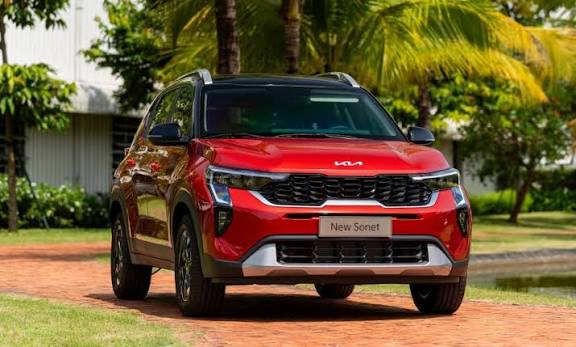
The value of the tax credit for eligible PHEVs typically ranges from $3,750 to $7,500, depending on the percentage of battery components and critical minerals sourced from eligible locations.
Navigating the Complexity: Eligibility Criteria and Regulatory Shifts
Understanding the eligibility criteria for PHEV tax credits can be challenging due to the ongoing regulatory updates. The Inflation Reduction Act of 2022 (IRA) introduced significant changes that went into effect on January 1, 2024. These rules dictate how the tax credits are calculated and applied.
It is essential to note that not all plug-in hybrids are eligible for federal tax credits. Even if a vehicle is a PHEV, it may fail to meet the sourcing requirements for battery components or critical minerals, or it may exceed manufacturer-specific MSRP limitations. For the most accurate and up-to-date information, consumers are advised to consult the official list maintained by the Environmental Protection Agency (EPA) or the Internal Revenue Service (IRS).
As of early 2025, the list of eligible PHEVs has been significantly reduced due to the new sourcing rules. For example, the 2025 Chrysler Pacifica Plug-In Hybrid was the only PHEV model eligible for federal tax credits, though the eligibility landscape continues to evolve as automakers adjust their supply chains.
The Future of Plug-In Hybrid Tax Credits
The political landscape also plays a role in the long-term outlook for EV and PHEV tax credits. Discussions regarding potential changes to the federal incentives continue, which may impact the availability of these credits in the future. As the market evolves, both consumers and manufacturers remain attentive to regulatory shifts and industry developments.
Best Financial Strategies for Plug-In Hybrid Buyers in 2026
For potential buyers in the 2026 market, there are several financial strategies to consider to maximize the benefits of purchasing a plug-in hybrid.
Verify Eligibility Early: Given the strict sourcing requirements for battery components and critical minerals, it is crucial to confirm that the specific model and trim level a buyer is considering is eligible for the tax credit. This information should be verified with the manufacturer or the IRS website prior to purchase.
Consider Leasing Options: It is important to understand that the eligibility requirements for leasing and purchasing a PHEV differ. Under current U.S. regulations, leased commercial clean vehicles (including leased PHEVs) do not need to meet the sourcing and manufacturing restrictions that apply to purchased clean vehicles. This means that consumers who lease PHEVs may be eligible for a tax credit, regardless of the vehicle’s battery sourcing. When considering a new PHEV, drivers should compare the cost of purchasing versus leasing to determine which option provides the best financial benefit.
Explore Local Incentives: In addition to federal tax credits, many states and local governments offer additional incentives for adopting clean energy vehicles. Consumers should research available state tax credits, rebates, and charging infrastructure incentives that can further reduce the overall cost of ownership.
Factor in Total Cost of Ownership: When evaluating a PHEV, it is important to consider the total cost of ownership, which includes purchase price, fuel costs, maintenance, and insurance. PHEVs offer potential fuel savings due to their electric-only range, but the overall cost will vary depending on the vehicle model, driving habits, and local energy prices.
Compare Insurance Costs: When purchasing a new vehicle, insurance rates can vary significantly based on the make, model, and safety features. It is recommended that consumers shop around and obtain multiple quotes from different insurance providers to find the most competitive rate. Comparing insurance costs early in the car-buying process can help buyers budget more accurately and avoid unexpected expenses.
Research Financing Options: The cost of a new vehicle is a significant financial commitment. Buyers should research various financing options, including manufacturer financing programs and credit union loans, to secure the best loan terms and interest rates. Comparing mortgage rates from multiple lenders can also help buyers secure competitive rates on auto loans.
What This Means for You
The decision to purchase a plug-in hybrid in 2026 should be approached with a clear understanding of the regulatory environment. While PHEVs offer compelling benefits, potential buyers must navigate a complex landscape of eligibility requirements that have become stricter due to U.S. policies designed to support domestic clean energy supply chains.
By verifying eligibility early, considering leasing options, and researching local incentives, consumers can make informed decisions that align with their financial goals and environmental priorities.
Should You Buy, Wait, or Rent/Invest?
The choice between buying, waiting, or renting/investing depends on individual circumstances and priorities.
Buying: If a consumer is confident that the specific PHEV model they are interested in is eligible for the federal tax credit and they plan to keep the vehicle long-term, purchasing may be the best option. Buyers should be prepared to meet the eligibility requirements, including potential limitations on battery sourcing and manufacturer-suggested retail price (MSRP).
Waiting: If the specific PHEV model is not eligible for tax credits, or if a consumer wants to see how the regulations evolve, waiting may be a good option. The automotive industry is rapidly changing, and new PHEV models are frequently introduced. Consumers may also want to wait to see if automotive manufacturers adjust their supply chains to meet eligibility requirements.
Renting/Investing: For consumers who want to experience PHEVs without the long-term commitment of ownership, leasing or renting may be suitable alternatives. Additionally, investing in companies that are leaders in EV and PHEV manufacturing or battery technology can be another way to participate in the transition to cleaner energy transportation.
Best Financial Strategies Right Now (2026)
Consult Reliable Sources: The IRS and EPA websites are the definitive sources for eligibility criteria. Consulting these resources early will prevent disappointment or the need to trade in an ineligible vehicle later.
Re-evaluate Your Vehicle Needs: Do you need a large SUV or a smaller sedan? The eligibility of a PHEV is tied to specific specifications, including battery size. Smaller PHEVs often qualify for lower tax credits than larger ones, but they also typically cost less upfront and have lower operating expenses. Calculate your monthly budget to determine the most cost-effective option for your driving habits.
Analyze Insurance Premiums: Plug-in hybrid insurance costs can vary depending on your location and the specific model you choose. Get online insurance quotes as part of your car-buying research to avoid surprises.
Research Financing: Financing costs can significantly impact the total price of a new vehicle. Compare mortgage rates and loan options to find competitive terms, as lower interest rates can save you money over the life of the loan.
Cost Breakdown / Pricing Impact (if applicable)
While this article does not provide specific pricing for individual PHEVs, it is important for buyers to note that manufacturer-suggested retail price (MSRP) caps apply to eligibility for federal tax credits. For PHEVs, the MSRP must not exceed $80,000. If the sticker price of a PHEV exceeds this cap, the vehicle is not eligible for the tax credit, regardless of its battery sourcing. Buyers should always verify the MSRP of a vehicle to ensure it falls within the allowed limits for the federal incentive.
Mistakes to Avoid That Could Cost You Money
Failing to Verify Eligibility: The biggest mistake a buyer can make is assuming that all PHEVs qualify for the tax credit. Without verifying eligibility, buyers may miss out on significant savings or end up paying more than they expected.
Neglecting to Compare Insurance Rates: Insurance is a critical part of vehicle ownership costs. Failing to shop around for insurance can lead to paying unnecessarily high premiums, reducing the overall savings from the tax credit.
Ignoring Financing Costs: High-interest auto loans can increase the total cost of a PHEV significantly. Buyers should always compare loan options to secure the lowest possible interest rate, thereby reducing their monthly payments and overall expenses.
Over