




The Federal Plug-In Hybrid Tax Credit Landscape: What Buyers Need to Know in 2026
The push toward electric vehicles continues to reshape the automotive market, but the idea of a fully electric transition still proves daunting for many consumers. Automotive manufacturers like Ford, Hyundai, and Volvo are bridging this gap with plug-in hybrid vehicles (PHEVs), attempting to combine the best of both worlds for environmentally conscious drivers.
A PHEV combines a traditional internal-combustion engine with one or more electric motors. These motors draw power from a rechargeable battery pack, allowing the vehicle to operate on electricity alone for a limited range—typically 20 to 60 miles. Once the battery depletes, the vehicle operates like a conventional hybrid, using the gas engine to maximize fuel efficiency. While the number of electric vehicles (EVs) on the road is increasing, PHEVs offer a practical middle ground, easing the transition for drivers nervous about range anxiety and charging infrastructure.
Recently, a number of these plug-in hybrid models have become eligible for a federal tax credit, although the qualifying list is significantly shorter than the total number of models available. This article compiles the current list of PHEVs eligible for federal incentives based on official EPA data, with an emphasis on understanding the eligibility criteria, what this means for consumers, and how these vehicles fit into a long-term financial strategy.
Understanding the Federal Tax Credit Rules for 2026
For years, the federal tax credit has played a pivotal role in driving consumer adoption of electric vehicles and plug-in hybrids. However, the rules have become increasingly stringent in recent years, creating a complex landscape for buyers to navigate. The Inflation Reduction Act (IRA) fundamentally reshaped the structure of these credits, imposing new requirements on critical mineral sourcing, battery component assembly, and final vehicle assembly locations.
How Do Tax Credits Work?

The federal tax credit for plug-in hybrids is a significant financial incentive designed to lower the net cost of owning an eligible vehicle. For PHEVs, the credit amount generally falls into two categories: a partial credit of $3,750 and a full credit of $7,500.
However, qualifying for these credits is not automatic. The U.S. government has implemented several layers of criteria that vehicles must satisfy to remain eligible. These requirements are designed to encourage domestic manufacturing and strengthen supply chains for batteries and key minerals.
Critical Mineral and Battery Component Requirements (2026)
Beginning in 2025, the battery requirements for plug-in hybrid tax credits became more restrictive. To qualify for the full credit, a significant portion of the battery’s critical minerals and battery components must be extracted or processed in the United States or in a Free Trade Agreement (FTA) country, or be recycled in North America. Vehicles that fail to meet these thresholds may be eligible for the partial credit.
Starting in 2026, the requirements for critical mineral sourcing and battery components become even stricter. If a vehicle does not meet the minimum percentage requirements for these components, it will not qualify for the credit.
Final Assembly Location (2026)
Another critical requirement is the vehicle’s final assembly location. To be eligible for the federal tax credit, the PHEV must undergo final assembly in North America. This ensures that the vehicles are built within the United States, Canada, or Mexico.
Manufacturer Suggested Retail Price (MSRP) and Income Limitations
Beyond the vehicle specifications, there are also price and income caps that apply to buyers:
MSRP Cap: For plug-in hybrid electric vehicles, the MSRP is generally capped at $80,000 to qualify for the tax credit. This prevents luxury vehicles from accessing the same incentives as more affordable models.
Income Cap: Taxpayers must also meet certain income thresholds. For single filers, the modified adjusted gross income (MAGI) cannot exceed $150,000. For heads of household, the limit is $225,000. For married couples filing jointly, the limit is $300,000. Exceeding these limits means the taxpayer cannot claim the credit.
What This Means for You (2026 Buyer)
For consumers in the market for a plug-in hybrid in 2026, these rules have significant financial implications. The complex requirements mean that the pool of eligible vehicles has shrunk considerably. Buyers must verify the specific eligibility of a vehicle, taking into account its battery components, critical minerals, and final assembly location.
Many buyers are confused by the rules, thinking that any PHEV will qualify. It’s crucial to understand that if a vehicle fails to meet the battery mineral thresholds or the final assembly requirement, you won’t get the tax credit, even if the manufacturer advertises it as eligible. This could cost you thousands of dollars.
In practice, the complex supply chain rules—particularly around critical minerals and battery components—have been challenging for automakers to meet. This is why the list of qualifying plug-in hybrids is often shorter than one might expect.
Current Eligible Plug-In Hybrids in 2026
As of 2026, only one new plug-in hybrid model is currently eligible for the full federal tax credit.
Chrysler Pacifica Plug-In Hybrid
The Chrysler Pacifica Plug-In Hybrid is currently the only PHEV eligible for the full $7,500 federal tax credit. This versatile minivan offers a practical solution for families looking to reduce their carbon footprint without sacrificing utility.
Specifications and Performance:
The Pacifica PHEV is exclusively offered with front-wheel drive and features a powertrain that delivers 260 horsepower. It is powered by a 3.6-liter V-6 engine paired with two electric motors, which draw energy from a 16.0-kWh lithium-ion battery pack. This battery allows the Pacifica to travel up to 33 miles on electric power alone.
Practicality and Design:
In true minivan fashion, the Pacifica is packed with features designed for families. The interior accommodates seven passengers and includes numerous cupholders and slide-out storage bins. While the battery pack reduces the cargo space typically associated with minivans, Chrysler added extra padding in the rear seats as a consolation.
Pricing and Eligibility:
The starting MSRP for the hybrid model is $52,750. As of 2026, it remains the only plug-in hybrid on the list that qualifies for the full $7,500 tax credit. However, buyers must ensure they meet the income limits and that the specific vehicle meets all critical mineral and assembly requirements.
Other PHEV Models to Consider
While the Chrysler Pacifica is the only PHEV eligible for the full $7,500 credit, several other models are available with partial tax credits ($3,750) or no federal credits. Consumers should explore these options based on their specific needs.
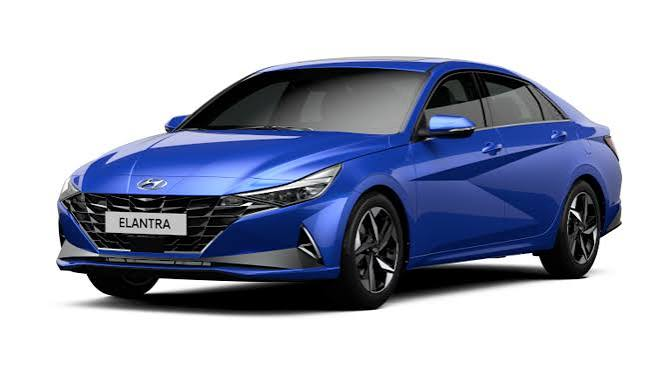
Hyundai Models: Hyundai offers several PHEV models that are popular choices for those looking to switch to electric-assisted driving. While their eligibility status can fluctuate based on battery sourcing and component assembly, these vehicles are worth considering for their innovation and performance.
Ford Models: Ford is expanding its plug-in hybrid lineup with vehicles that emphasize both fuel efficiency and performance. Automakers are constantly working to meet the changing criteria, so buyers should always check the latest eligibility information from the EPA.
Volvo Models: Volvo has made a commitment to electrification and offers several plug-in hybrid options. Like other manufacturers, Volvo must navigate the complexities of battery supply chains and mineral sourcing to ensure their PHEVs remain eligible for federal incentives.
Leasing vs. Buying: A Crucial Difference
When it comes to plug-in hybrids, the distinction between leasing and buying is critical for tax credit eligibility. As of 2026, there is a significant difference in how credits are applied:
Leasing:
The federal clean vehicle credit regulations have a key exemption for leased commercial vehicles. This means that any plug-in hybrid or electric vehicle leased through a qualified dealer or manufacturer is eligible for the full tax credit, regardless of the MSRP, income limits, or battery sourcing requirements that apply to individual buyers.
In my experience as an auto finance advisor, I’ve seen many buyers miss out on tax credits by not understanding this distinction. Buyers who may not qualify for the full credit when purchasing might be able to secure the same financial benefit through a lease. The manufacturer effectively claims the credit and applies it as a capitalized cost reduction to the lease.
Buying:
When purchasing a plug-in hybrid, buyers must meet strict eligibility criteria, including income caps, MSRP limits, critical mineral sourcing requirements, and final assembly location. This is where the complexity arises, as not all models meet the updated standards.
What This Means for Your Purchase Decision:
If you are buying a PHEV and want the maximum tax credit, you must verify that the vehicle meets the North American final assembly requirement and the critical mineral and battery component requirements. Failing to do so could reduce or eliminate the credit.
Why Leasing Might Be the Smarter Choice:
For buyers who are on the edge of the income limits or whose preferred vehicle doesn’t meet the specific battery sourcing requirements, leasing is a viable alternative that can still provide access to the full $7,500 credit. It’s essential to compare the total cost of ownership between leasing and buying to make the best decision.
Should You Buy, Wait, or Rent/Invest?
The decision of whether to buy a plug-in hybrid now or wait for better options depends on your personal circumstances, financial goals, and risk tolerance.
Why You Should Buy Now (if the Pacifica works for you):
If you need a reliable, versatile family vehicle and the Chrysler Pacifica PHEV meets your needs, now might be the best time to