



🔻 WATCH FULL VIDEO BELOW 🔻
The Federal Plug-In Hybrid Tax Credit in 2026: A Realistic Guide for Buyers and Investors
As automotive technology continues to push the envelope, the debate between full electric vehicles (EVs) and internal combustion engine (ICE) cars is no longer a binary choice. The growing interest in greener transportation has led many consumers to explore plug-in hybrids (PHEVs). These vehicles attempt to bridge the gap, offering the benefits of electric power without the total commitment of going gas-free.
But how do these vehicles measure up in terms of environmental impact, financial incentives, and long-term viability? Let’s dive deep into the reality of plug-in hybrids and the federal tax credits available in 2026.
Understanding the Landscape of Plug-In Hybrids in 2026
Plug-in hybrids combine the efficiency of traditional hybrids with the versatility of EVs. They feature both a gasoline engine and an electric motor powered by a battery pack that can be recharged via an external source—the “plug.” This design allows drivers to operate in all-electric mode for a certain range (typically 20 to 60 miles) before the gas engine kicks in. Unlike standard hybrids, which use the electric motor to boost fuel economy without external charging, PHEVs can operate as pure EVs on short commutes and as hybrids on longer trips, offering the best of both worlds.
The Rise of PHEVs
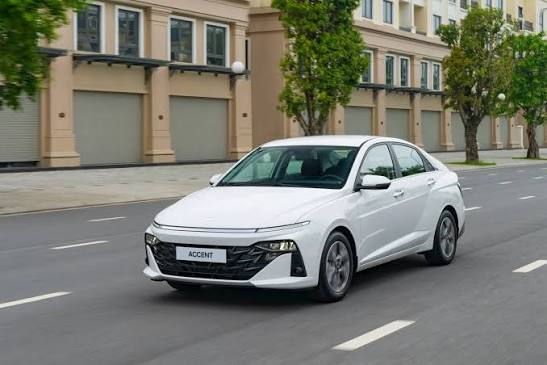
As concerns about climate change and fuel prices intensify, the market for plug-in hybrids is expanding. Automakers like Ford, Hyundai, and Volvo have invested heavily in PHEV technology, recognizing that many consumers are not yet ready to abandon gasoline but still want to reduce their environmental footprint. These vehicles appeal to a broad range of buyers, from those who live in areas with limited charging infrastructure to those who need the flexibility of a gas engine for long-distance travel.
However, the landscape of PHEVs is constantly evolving. New regulations and consumer demands are shaping the market, and understanding these changes is crucial for anyone considering a plug-in hybrid in 2026.
The Federal Tax Credit: Eligibility Requirements and Rules
For many years, the federal government has offered tax incentives to encourage the adoption of alternative fuel vehicles. The Inflation Reduction Act (IRA), signed into law in August 2022, significantly changed the rules for these credits, particularly for electric and plug-in hybrid vehicles.
The core philosophy behind the IRA’s changes is to onshore the electric vehicle supply chain, making the United States less reliant on foreign countries—specifically China—for critical battery minerals and components. This has led to a complex set of requirements that manufacturers must meet to ensure their vehicles qualify for the incentives.
What is the Federal Tax Credit?
The federal tax credit for plug-in hybrids is designed to reduce the out-of-pocket cost for eligible buyers. Currently, the maximum credit available is $7,500, though some vehicles may qualify for only $3,750. This credit is applied at the time of purchase, effectively reducing the price of the vehicle before taxes and fees are applied.
Eligibility Requirements in 2026
To qualify for the federal tax credit in 2026, vehicles must meet several critical criteria:
Manufacturer’s Suggested Retail Price (MSRP): The vehicle’s MSRP must be below a certain threshold. For SUVs, vans, and pickup trucks, the limit is $80,000. For sedans and other vehicles, the limit is $55,000. These limits apply to the base model before any optional equipment or dealer add-ons are included.
Battery Component Requirements: At least 50% of the battery components must be manufactured or assembled in North America. This requirement significantly limits the number of eligible vehicles, as many manufacturers still rely on suppliers in China, Russia, Iran, or North Korea.
Critical Mineral Requirements: A certain percentage of the critical minerals in the battery must be extracted or processed in the United States or a country with a free trade agreement with the U.S., or recycled in North America. This is one of the most difficult requirements to meet and has caused many PHEVs to lose eligibility.
Income Limitations: The buyer’s modified adjusted gross income (MAGI) must be below certain thresholds. For married couples filing jointly, the limit is $300,000. For heads of households, the limit is $225,000. For single filers, the limit is $150,000.
Vehicle Assembly: The vehicle must be assembled in North America. This requirement helps ensure that the vehicle is built within the U.S. manufacturing ecosystem.
New Rule: Foreign Entity of Concern (FEOC) Restrictions
Starting in 2025, a new rule was introduced that prohibits PHEVs from containing any battery components or critical minerals sourced from “foreign entities of concern” (FEOC), including China, Russia, Iran, and North Korea. This rule has significantly narrowed the pool of eligible vehicles, as many manufacturers still rely on suppliers in these countries for their battery supply chains.
The 2026 Chrysler Pacifica Plug-In Hybrid: A Case Study
In 2025, the Chrysler Pacifica Plug-In Hybrid was the only PHEV on the market eligible for federal tax credits. This unique position highlighted the challenges that manufacturers face in meeting the new battery and mineral requirements.
The Pacifica features a 3.6-liter V-6 engine and two electric motors powered by a 16.0-kWh battery pack, allowing for 33 miles of electric-only range. The interior is packed with practicality, seating up to seven passengers with plenty of storage space. While the battery pack takes up some rear storage, Chrysler added extra padding to compensate.
The Pacifica’s eligibility underscores the difficulty of finding PHEVs that meet the new FEOC restrictions. While many manufacturers have PHEVs on the market, only a select few have managed to navigate the complex regulations and qualify for federal incentives.
Should You Buy, Wait, or Rent/Invest?
The decision to buy a plug-in hybrid is a significant financial choice. Before making a decision, it’s essential to consider the long-term implications and the potential benefits and drawbacks.
What This Means for You
For buyers in 2026, the federal tax credit is a major factor to consider. If you’re eligible, you can save thousands of dollars on your purchase, making the move to a more environmentally friendly vehicle more affordable. However, you must also ensure that the vehicle you choose meets the battery and mineral requirements to qualify for the credit.
Should You Buy, Wait, or Rent/Invest?
If you’re looking for a practical, fuel-efficient vehicle that can handle family needs, a PHEV is a strong option. The Chrysler Pacifica Plug-In Hybrid is a popular choice for those who need a minivan with the benefits of electric power. If you live in an area with limited charging infrastructure, a PHEV offers more flexibility than a pure EV.
However, if you’re concerned about the long-term sustainability of PHEVs, you may want to consider waiting for new models that meet the updated battery requirements. As manufacturers invest in domestic supply chains, more eligible PHEVs are likely to emerge in the future.
For investors, PHEVs represent a potential growth opportunity. As the market for electrified vehicles expands, there may be opportunities to invest in manufacturers that are leading the way in PHEV technology. However, it’s important to do your research and understand the risks involved before investing.
Best Financial Strategies Right Now (2026)
If you’re considering a plug-in hybrid, here are some financial strategies to keep in mind:
Research Eligibility: Before you shop, check the official IRS website or automotive websites to see which PHEVs are eligible for federal tax credits. Don’t assume that a manufacturer’s website or dealer will provide accurate information.
Consider Your Commute: If your daily commute is under 20 miles, a PHEV may offer significant fuel savings. However, if you drive long distances regularly, you may be better off with a hybrid or a traditional gas-powered vehicle.
Explore Financing Options: Check with your lender to see if they offer special financing rates for PHEVs. Many lenders offer lower interest rates on electrified vehicles, which can save you money over the life of the loan.
Trade-In Value: Consider the trade-in value of your current vehicle. If you’re trading in a gas-powered car, you may be able to offset the cost of a new PHEV.
Lease vs. Buy: Depending on your financial situation, you may want to consider leasing a PHEV instead of buying one. Leases often have lower monthly payments and may include maintenance and insurance costs.
Cost Breakdown / Pricing Impact (if applicable)
The cost of a PHEV can vary depending on the manufacturer, model, and features. The Chrysler Pacifica Plug-In Hybrid, for example, has a starting MSRP of around $52,750. With a $7,500 tax credit, the effective price drops to $45,250. However, you must also factor in fuel costs, insurance, and maintenance.
Mistakes to Avoid That Could Cost You Money
Assuming All PHEVs Qualify: Just because a car is a plug-in hybrid doesn’t mean it qualifies for the federal tax credit. Always verify eligibility before making a purchase decision.
Not Factoring in Long-Term Costs: While PHEVs offer fuel savings, they can also have higher maintenance costs than traditional vehicles. Make sure to factor these costs into your long-term